Blood Orange Spring Layer Cake
Highlighted under: Indulgent Baking Ideas
I’ve always believed that cakes can tell a story, and this Blood Orange Spring Layer Cake is one of my favorites. The vibrant colors of blood orange not only bring a lively hue to each layer, but their sweet-tart flavor also adds an unexpected twist that captivates my taste buds. Pairing the citrus with a light vanilla sponge creates a refreshing dessert that celebrates the season beautifully. Whether it’s for a special occasion or just a sunny day treat, this cake is sure to impress and bring happiness to the table.
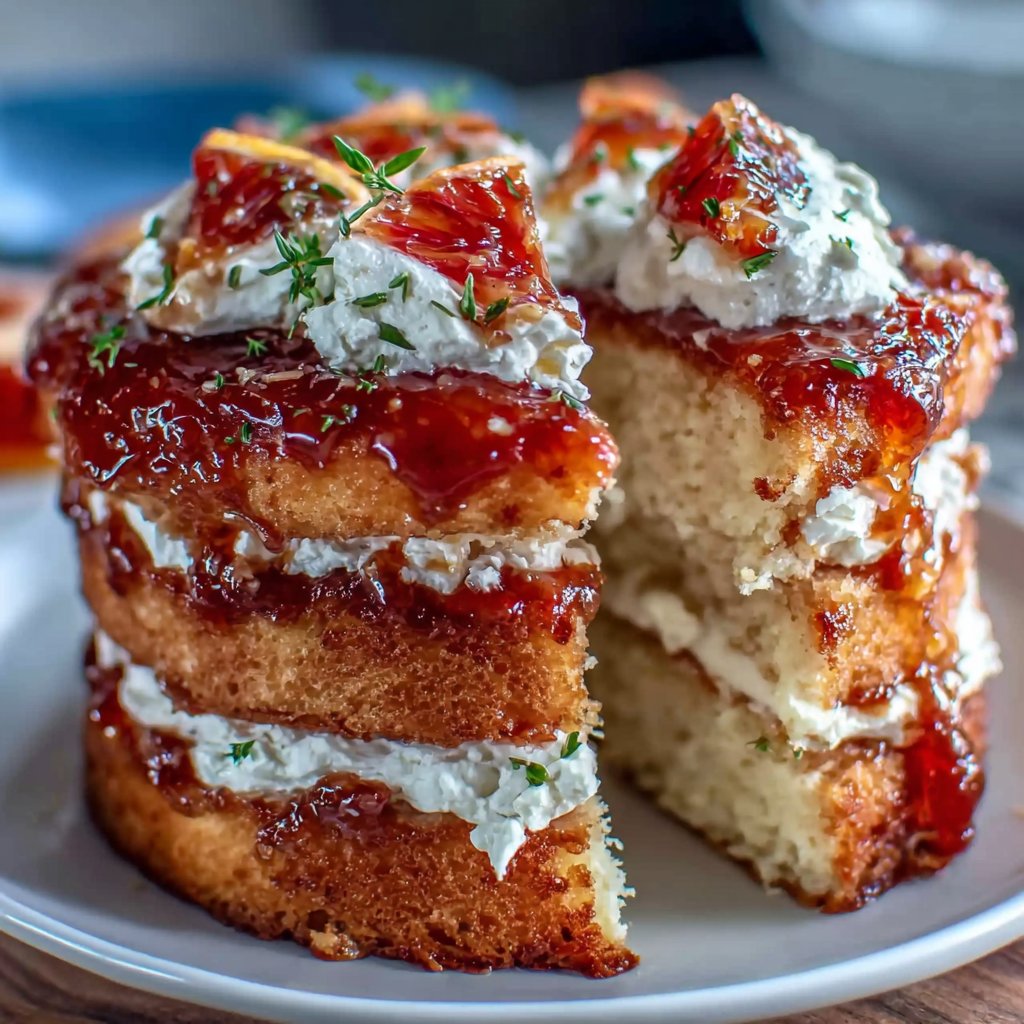
When baking this cake, I learned the key to achieving a perfect balance of flavors lies in the blood orange zest and juice. I experimented with different amounts and found that just the right splash of juice elevates the sponge without overwhelming it. I also discovered that allowing the cake layers to cool completely before frosting prevents any melting and ensures a tidy finish.
As I layered the silky blood orange buttercream between the cakes, I couldn’t help but admire how the soft pastel colors came together. Each slice reveals a stunning pattern, making it a showstopper for any gathering. Trust me, the first bite will transport you to a sun-drenched orchard!
Why You'll Love This Recipe
- A stunning visual treat with vibrant layers
- Bright citrus flavor that refreshes and uplifts
- Perfect balance of sweetness and tartness
The Importance of Zest and Juice
In this recipe, the zest and juice of blood oranges are essential for creating the cake’s distinct flavor profile. The zest offers concentrated citrus oils that enhance the cake’s aromatics, while the juice contributes moisture and a sweet-tangy balance. Be sure to use fresh blood oranges for the best results; bottled juice lacks the vibrant flavor essential for this dessert. When zesting, avoid the bitter white pith to ensure your cake remains sweet and inviting.
Additionally, if fresh blood oranges are unavailable, you can substitute with navel oranges or tangelos for similar flavor notes. However, keep in mind that the color may not be as intense. If you opt for other citrus, adjust to your palate—some varieties may require less juice due to their natural sweetness. This flexibility allows you to customize the cake while still maintaining the essence of citrus.
Mastering the Layering Technique
Layering can be a delicate process, but with a few techniques, you can achieve a professional look. Ensure each layer is completely cooled before frosting—this prevents sliding and preserves the cake’s structure. Level the tops of your cake layers with a serrated knife for an even surface; this small step makes a significant difference in presentation. Apply a crumb coat, a thin layer of frosting, before the final layer—it seals in crumbs and creates a smooth finish.
When assembling, use a cake turntable if possible, as it provides better control while frosting and enhances the overall appearance. Spread an even layer of frosting on each layer and use a spatula to create soft peaks on the sides or top for a rustic look. Remember, it’s okay to let some orange zest peek through the frosting; it adds to the charm and highlights the citrus theme.
Storage and Serving Suggestions
To keep your Blood Orange Spring Layer Cake at its best, store it in an airtight container in the refrigerator for up to 5 days. You can also freeze the unassembled cake layers for up to 2 months. When you're ready to serve, let the layers thaw in the refrigerator overnight, and then frost and assemble. This method not only saves time but also allows the flavors to meld beautifully before serving.
For an elevated serving experience, consider pairing each slice with a dollop of whipped cream or a scoop of vanilla ice cream to balance the tartness of the blood orange. A fresh blood orange segment on top adds a beautiful garnish and a burst of fresh citrus flavor. This cake also makes for a stunning centerpiece for spring gatherings, where its vibrant colors can truly shine.
Ingredients
Gather these ingredients to bring this delightful cake to life!
For the Cake
- 3 cups all-purpose flour
- 2 1/2 tsp baking powder
- 1/2 tsp salt
- 1 cup unsalted butter, softened
- 2 cups granulated sugar
- 4 large eggs
- 1 tbsp blood orange zest
- 1 cup blood orange juice
- 1 tsp vanilla extract
For the Frosting
- 1 cup unsalted butter, softened
- 4 cups powdered sugar
- 1/4 cup blood orange juice
- 1 tbsp blood orange zest
- 1 tsp vanilla extract
Ensure all ingredients are at room temperature before starting to achieve the best texture.
Instructions
Follow these steps for a flawless Blood Orange Spring Layer Cake!
Prepare the Cake Batter
Preheat your oven to 350°F (175°C). Grease and flour three 9-inch round cake pans. In a bowl, whisk together flour, baking powder, and salt. In another bowl, cream the butter and sugar until light and fluffy. Add in the eggs one at a time, mixing well after each, then stir in the zest, juice, and vanilla.
Combine and Bake
Gradually add the dry ingredients to the wet mixture and combine until smooth. Divide the batter evenly among the prepared pans and bake for 25-30 minutes or until a toothpick comes out clean. Let the layers cool in the pans for 10 minutes before transferring them to wire racks to cool completely.
Make the Frosting
In a mixing bowl, beat the butter until creamy. Gradually add powdered sugar, mixing well. Add blood orange juice, zest, and vanilla, then beat until fluffy.
Assemble the Cake
Once the cake layers are completely cooled, place the first layer on a serving plate. Spread a generous amount of frosting on top, add the second layer, and repeat. Top with the final layer and frost the top and sides of the cake as desired.
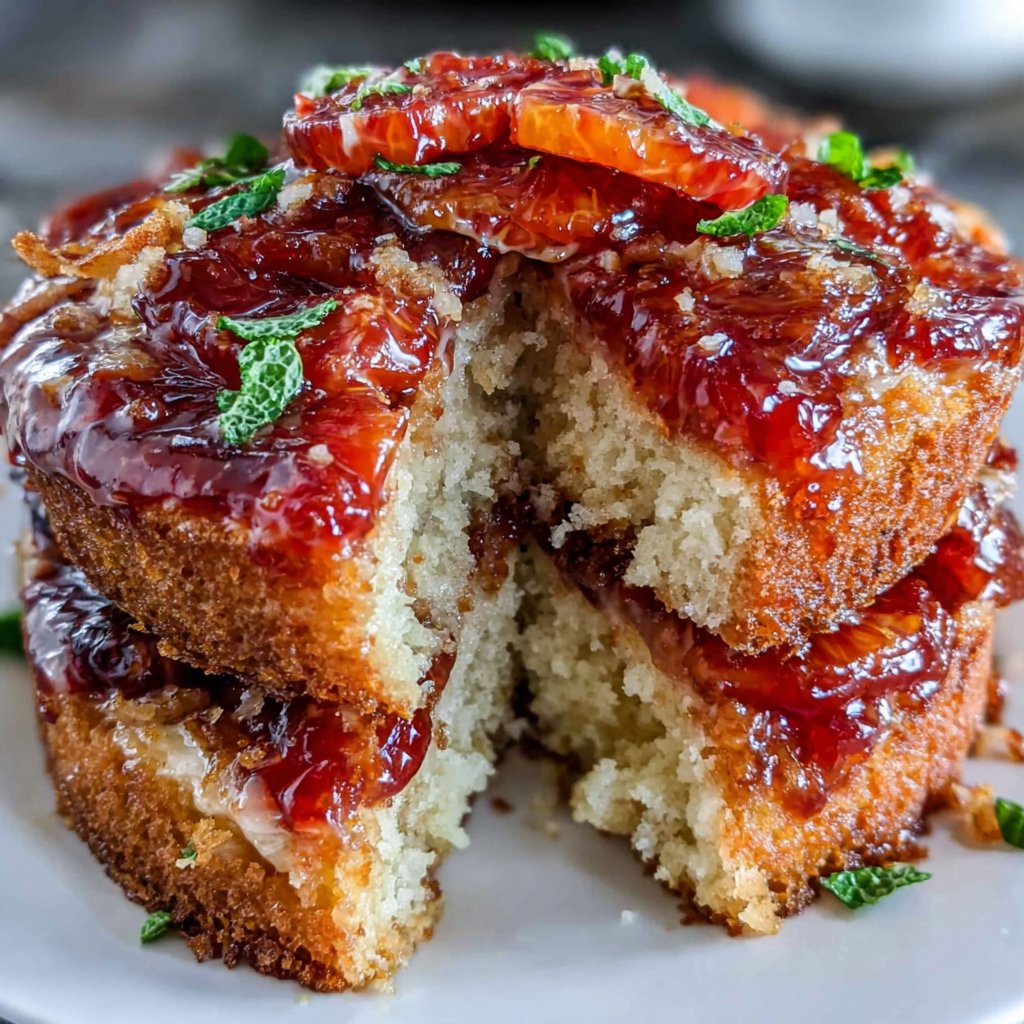
For an extra touch, decorate with blood orange slices or zest on top.
Pro Tips
- Using fresh blood oranges gives the best flavor, but if unavailable, a mix of regular oranges and a splash of lemon juice can work in a pinch!
Ingredient Spotlight: Unsalted Butter
The unsalted butter used in both the cake and frosting plays a crucial role in achieving the perfect texture and flavor. It allows you to control the salt level throughout the recipe, ensuring the final product is balanced and not overly salty. Softening the butter to room temperature ensures even mixing with sugar, promoting a light and fluffy texture crucial for cake rise.
If you're in a pinch and only have salted butter on hand, reduce the additional salt in the recipe by half to maintain the flavor balance. Remember that butter quality can greatly impact the flavor of your cake, so opt for a high-quality brand to elevate your baking. European-style butters with higher fat content can add extra richness and moisture.
Frosting Fundamentals
An important aspect of this recipe is the frosting, which ties the whole cake together. When making the buttercream, ensure your butter is adequately softened; this facilitates easier mixing and results in a creamy texture. Beating the mixture until it's glossy and light indicates that it's ready for pipping or spreading, contributing to a luxurious mouthfeel that complements the cake’s lighter texture.
If you prefer a less sweet frosting, consider reducing the powdered sugar slightly or adding more blood orange juice. Adding just a pinch of salt can also help cut through the sweetness, creating a more balanced flavor profile. Experimenting with the ratios can yield a frosting tailored to your taste.
Questions About Recipes
→ Can I use regular oranges instead of blood oranges?
Yes, but the color and taste will be slightly different. You can enhance the flavor with a bit of lemon juice.
→ How should I store the cake?
Store the cake in an airtight container in the fridge for up to 3 days. Bring it to room temperature before serving.
→ Can I freeze the cake?
Yes, you can freeze the unassembled cake layers wrapped tightly in plastic wrap for up to 1 month. Frost once thawed.
→ What can I substitute for butter in the frosting?
You can use vegan butter or cream cheese for a different flavor and texture.
Blood Orange Spring Layer Cake
Created by: The Meals By Sophia Team
Recipe Type: Indulgent Baking Ideas
Skill Level: Intermediate
Final Quantity: 10 slices
What You'll Need
For the Cake
- 3 cups all-purpose flour
- 2 1/2 tsp baking powder
- 1/2 tsp salt
- 1 cup unsalted butter, softened
- 2 cups granulated sugar
- 4 large eggs
- 1 tbsp blood orange zest
- 1 cup blood orange juice
- 1 tsp vanilla extract
For the Frosting
- 1 cup unsalted butter, softened
- 4 cups powdered sugar
- 1/4 cup blood orange juice
- 1 tbsp blood orange zest
- 1 tsp vanilla extract
How-To Steps
Preheat your oven to 350°F (175°C). Grease and flour three 9-inch round cake pans. In a bowl, whisk together flour, baking powder, and salt. In another bowl, cream the butter and sugar until light and fluffy. Add in the eggs one at a time, mixing well after each, then stir in the zest, juice, and vanilla.
Gradually add the dry ingredients to the wet mixture and combine until smooth. Divide the batter evenly among the prepared pans and bake for 25-30 minutes or until a toothpick comes out clean. Let the layers cool in the pans for 10 minutes before transferring them to wire racks to cool completely.
In a mixing bowl, beat the butter until creamy. Gradually add powdered sugar, mixing well. Add blood orange juice, zest, and vanilla, then beat until fluffy.
Once the cake layers are completely cooled, place the first layer on a serving plate. Spread a generous amount of frosting on top, add the second layer, and repeat. Top with the final layer and frost the top and sides of the cake as desired.
Extra Tips
- Using fresh blood oranges gives the best flavor, but if unavailable, a mix of regular oranges and a splash of lemon juice can work in a pinch!
Nutritional Breakdown (Per Serving)
- Calories: 350 kcal
- Total Fat: 20g
- Saturated Fat: 12g
- Cholesterol: 90mg
- Sodium: 150mg
- Total Carbohydrates: 45g
- Dietary Fiber: 1g
- Sugars: 30g
- Protein: 4g