Fresh Basil Pesto
Highlighted under: Indulgent Baking Ideas
I absolutely love making fresh basil pesto during the summer when basil is at its peak flavor. The vibrant green color and aromatic scent always bring a smile to my face as I blend together these simple ingredients. With just a handful of quality items, I can create a sauce that transforms everything from pasta to sandwiches into a gourmet meal. Every swirl of the blender infuses the kitchen with a fresh herb fragrance that instantly brightens my day. It's a versatile sauce that's not only easy to prepare but also tastes incredible!
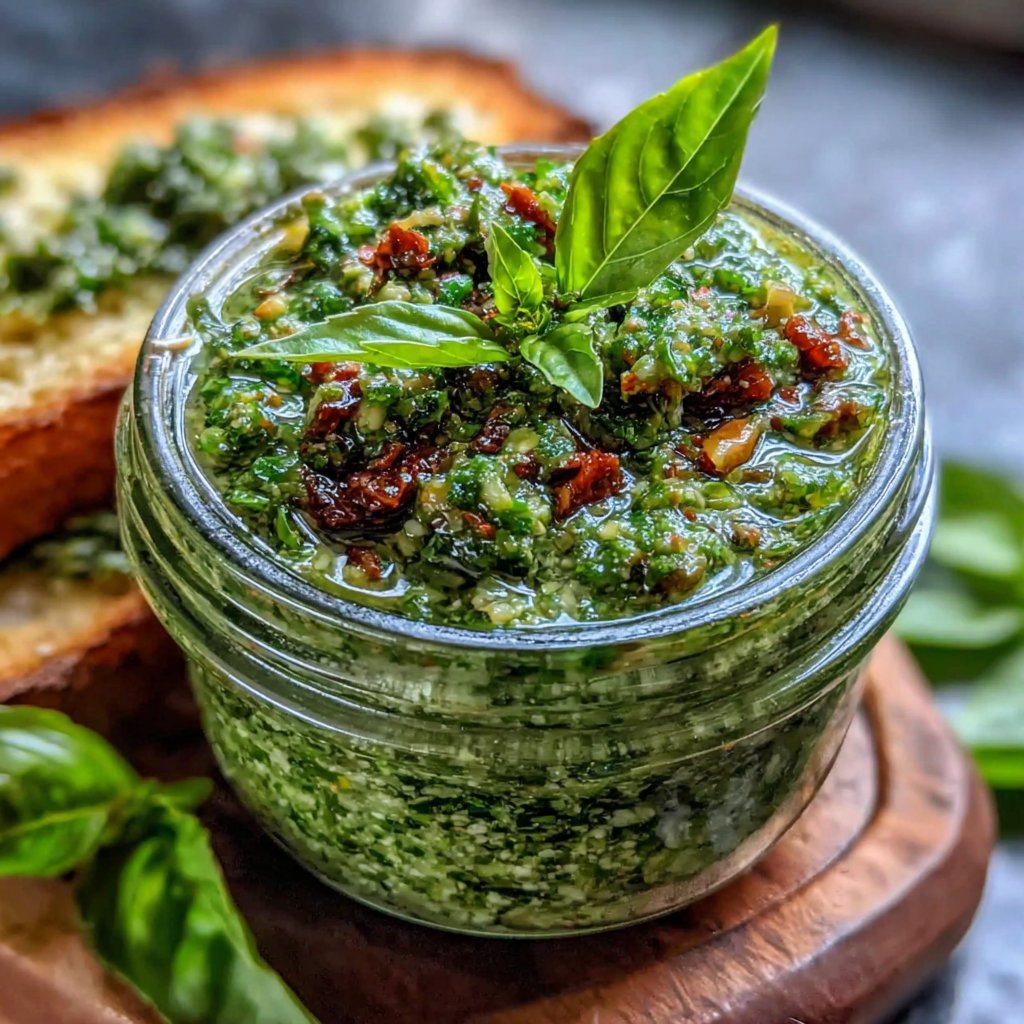
In my journey to master fresh basil pesto, I’ve discovered that using high-quality ingredients makes all the difference. I remember the first time I used toasted pine nuts; they added an incredible depth of flavor that raw ones just couldn’t match. I also learned that a little bit of lemon juice balances the richness of the nuts and cheese, making the pesto taste fresh and vibrant.
Another tip I want to share is to blend the ingredients in batches if your blender isn’t large enough. This ensures everything is evenly mixed and prevents the motor from overheating. I promise, once you try this homemade pesto, you’ll never reach for the store-bought version again!
Why You'll Love This Fresh Basil Pesto
- Bursting with fresh, vibrant flavors from garden herbs
- Quick and easy to prepare, perfect for busy weeknights
- Versatile and pairs well with pasta, sandwiches, and salads
The Magic of Fresh Ingredients
Using fresh basil is crucial for achieving the vibrant flavor that makes this pesto stand out. When selecting basil, look for dark green leaves that feel pliable. Avoid any leaves that appear wilted or yellowed, as they can impart a bitter taste to the sauce. The fresher the basil, the more aromatic and flavorful your pesto will be, enhancing the taste of any dish you serve it with.
The quality of your olive oil also plays a significant role in the final outcome of the pesto. An extra virgin variety not only adds a rich flavor, but it also has higher antioxidants compared to lower grades. Look for olive oil that has been cold-pressed, as this method preserves the natural properties and gives a lovely green color to your pesto.
Tips for a Perfect Blend
When blending the pesto, it's essential to avoid over-processing, which can turn the vibrant mixture into a dull paste. Pulse the ingredients until they're coarsely chopped, maintaining some texture, which adds a delightful mouthfeel. I recommend stopping a couple of times to scrape down the sides of the processor as this ensures that everything gets evenly combined without creating a sludgy mix.
If you find the pesto too thick, you can add a little more olive oil, one tablespoon at a time. This not only alters the consistency but enriches the flavors. Conversely, if you prefer a thicker sauce, blend less oil. Just remember, you can always adjust to your taste as well as the intended use—thicker for sandwiches and lighter for drizzling over pasta.
Ingredients
Gather these fresh ingredients to make your incredibly delicious basil pesto.
Ingredients
- 2 cups fresh basil leaves, tightly packed
- 1/2 cup extra virgin olive oil
- 1/4 cup pine nuts, toasted
- 1/4 cup grated Parmesan cheese
- 2 garlic cloves, minced
- 1 tablespoon lemon juice
- Salt and pepper to taste
Make sure to use the freshest ingredients for the best flavor!
Instructions
Follow these simple steps to create your own fresh basil pesto.
Prepare the Ingredients
Wash and dry the basil leaves thoroughly. Toast the pine nuts in a dry skillet over medium heat for about 3-4 minutes until fragrant, being careful not to burn them.
Blend the Pesto
In a food processor, combine the basil leaves, toasted pine nuts, minced garlic, and Parmesan cheese. Pulse until coarsely chopped.
Add Olive Oil
With the processor running, slowly drizzle in the olive oil until the mixture becomes smooth. You may need to scrape down the sides occasionally.
Season to Taste
Add lemon juice, salt, and pepper, and blend for an additional 30 seconds. Adjust the seasoning as necessary.
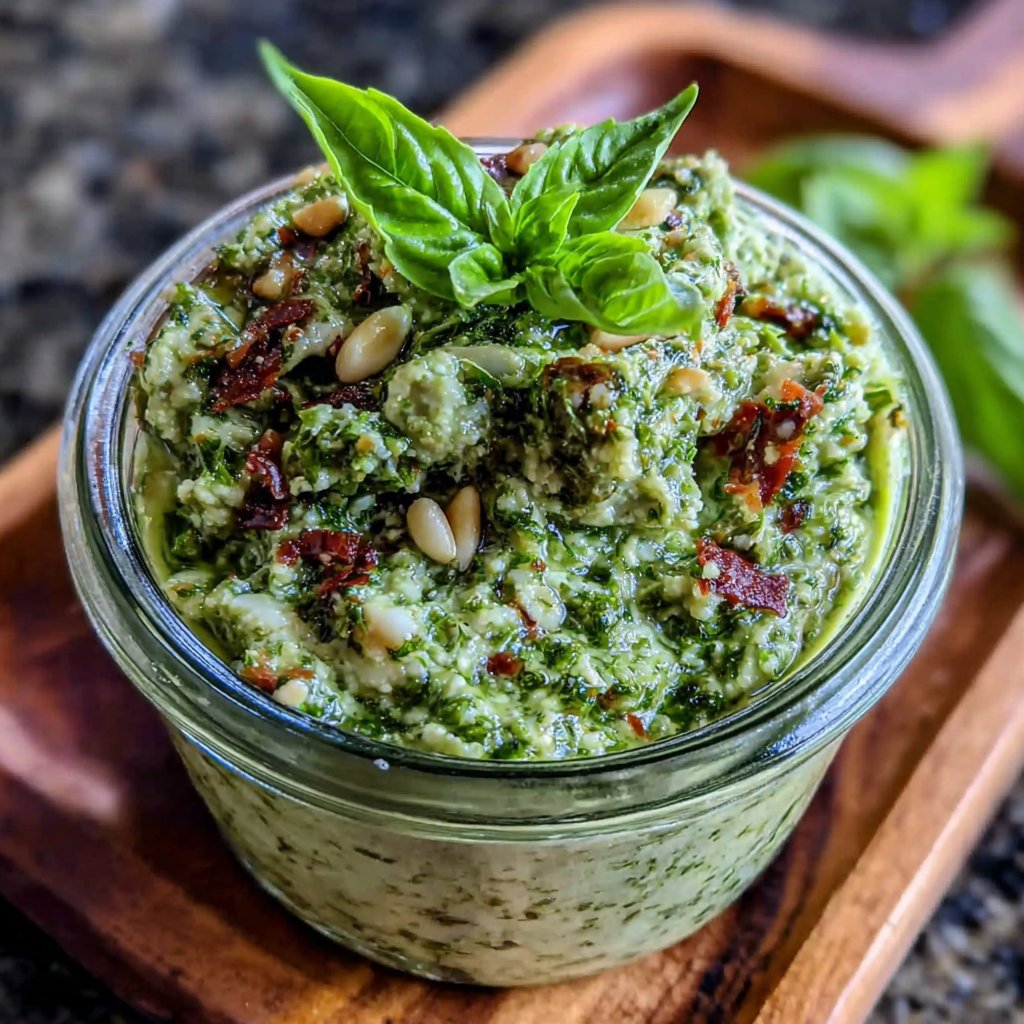
Your fresh basil pesto is ready to enjoy!
Pro Tips
- For a nut-free version, you can substitute the pine nuts with sunflower seeds. Store any leftovers in an airtight container
- drizzle a little olive oil on top to prevent browning.
Storing and Freezing Pesto
If you have leftovers, storing pesto properly is key to maintaining its vibrant color and flavor. Place the pesto in an airtight container and pour a thin layer of olive oil on top before sealing. This helps prevent oxidation, which can turn the green color to brown. Stored this way in the refrigerator, pesto can last up to a week.
For longer storage, consider freezing your pesto. Use ice cube trays to portion out your sauce, allowing you to take out just what you need for future meals. Once frozen, transfer the pesto cubes to a zip-top freezer bag, and they'll keep for up to six months. Additionally, this method is great for meal prep or if you grow basil seasonally.
Versatile Serving Suggestions
Fresh basil pesto transforms any dish, making it an excellent condiment for grilled vegetables or as a dressing for salads. A fun twist is mixing it with yogurt or sour cream for a flavorful dip. You can also spread it on toasted baguette slices for a quick appetizer or blend it into scrambled eggs for a gourmet breakfast experience.
For pasta, I recommend cooking it al dente and then mixing in the pesto while the pasta is still warm. This ensures that the heat releases the oils and flavors from the pesto, creating a deliciously aromatic dish. You might also sprinkle extra Parmesan before serving for an added touch of richness.
Questions About Recipes
→ Can I use other herbs in this recipe?
Yes, you can experiment with different herbs like cilantro or parsley for unique flavor profiles.
→ How can I store leftover pesto?
Store it in an airtight container in the fridge for up to a week. You can also freeze it in ice cube trays for longer storage.
→ What can I use pesto for?
Pesto is incredibly versatile; use it on pasta, sandwiches, pizza, or even as a marinade for meats and vegetables.
→ Is it necessary to add cheese?
While cheese adds richness, you can omit it for a dairy-free version without significantly affecting the overall flavor.
Fresh Basil Pesto
Created by: The Meals By Sophia Team
Recipe Type: Indulgent Baking Ideas
Skill Level: Beginner
Final Quantity: Makes about 1 cup
What You'll Need
Ingredients
- 2 cups fresh basil leaves, tightly packed
- 1/2 cup extra virgin olive oil
- 1/4 cup pine nuts, toasted
- 1/4 cup grated Parmesan cheese
- 2 garlic cloves, minced
- 1 tablespoon lemon juice
- Salt and pepper to taste
How-To Steps
Wash and dry the basil leaves thoroughly. Toast the pine nuts in a dry skillet over medium heat for about 3-4 minutes until fragrant, being careful not to burn them.
In a food processor, combine the basil leaves, toasted pine nuts, minced garlic, and Parmesan cheese. Pulse until coarsely chopped.
With the processor running, slowly drizzle in the olive oil until the mixture becomes smooth. You may need to scrape down the sides occasionally.
Add lemon juice, salt, and pepper, and blend for an additional 30 seconds. Adjust the seasoning as necessary.
Extra Tips
- For a nut-free version, you can substitute the pine nuts with sunflower seeds. Store any leftovers in an airtight container
- drizzle a little olive oil on top to prevent browning.
Nutritional Breakdown (Per Serving)
- Calories: 220 kcal
- Total Fat: 22g
- Saturated Fat: 3g
- Cholesterol: 5mg
- Sodium: 50mg
- Total Carbohydrates: 5g
- Dietary Fiber: 1g
- Sugars: 0g
- Protein: 4g